
Beacon Falls Traumatic Brain Injury Lawyer
Need a Beacon Falls traumatic brain injury accident lawyer for a traumatic brain injury?
If you or a loved one suffered a TBI in an accident involving Uber, Lyft, or another rideshare driver—whether as a passenger, pedestrian, or another motorist—you may be entitled to compensation. Rideshare accident claims involving brain injuries can be especially complex, but Etemi Law has the experience to guide you through it. We’re committed to helping TBI victims get the justice and compensation they deserve.
Call us today at (203) 409-8424 for a
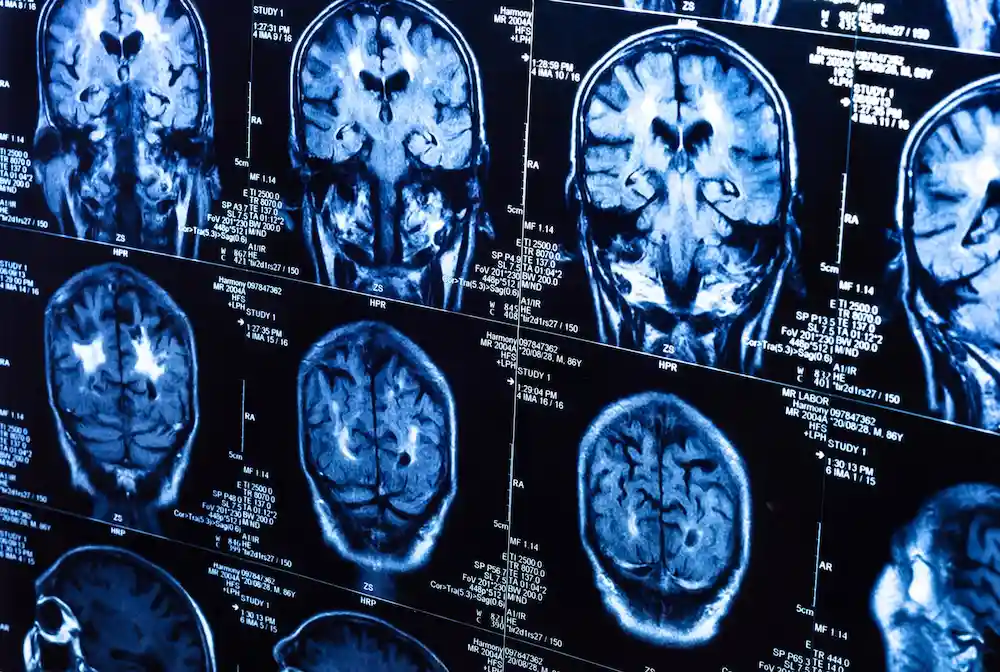
Understanding Traumatic Brain Injuries (TBI)
A traumatic brain injury (TBI) occurs when a sudden jolt, blow, or impact causes the brain to move rapidly within the skull. This movement can result in chemical changes, bruising, or damage to brain tissue. Even mild trauma—known as a mild traumatic brain injury (MTBI)—can lead to lasting effects, sometimes without immediate signs such as loss of consciousness.
Common Causes of TBI
TBI can happen in many everyday situations, including:
- Rideshare Accidents – Sudden impact from Uber or Lyft collisions, especially rear-end crashes, can cause the brain to jolt violently.
- Slip and Fall Accidents – Striking the head on the ground during a fall can lead to significant brain trauma.
- Sports Injuries – Contact sports like football, boxing, and rugby are common causes of concussion and TBI.
- Motorcycle Accidents – Especially in Connecticut, where helmets aren’t required for all riders, these crashes can be devastating.
- Pedestrian Accidents – Pedestrians struck by vehicles often suffer TBIs due to direct impact.
- Product-Related Injuries – Falling merchandise or faulty safety equipment (like airbags) can cause head trauma.
- Birth Injuries – Trauma during delivery can result in infant brain injuries with lifelong consequences.
Why TBI Cases Are Complex
Brain injuries are often called “invisible injuries” because their symptoms may be subtle, delayed, or misdiagnosed. TBIs can affect memory, mood, concentration, and even personality. Because of the complexity of these cases—especially when involving multiple parties, such as in rideshare accidents—it’s critical to have a legal team that understands both the medical and legal challenges involved.
How Etemi Law Can Help
At Etemi Law, we are committed to helping victims and their families get the compensation they need for recovery and long-term care. Our experienced team will:
✅ Thoroughly investigate the cause of the brain injury
✅ Work with medical experts to document its full impact
✅ Handle negotiations with insurance companies and responsible parties
✅ Take your case to trial if necessary to fight for full compensation
Don’t Wait — Protect Your Rights
If you or a loved one has suffered a brain injury due to a rideshare crash or another type of accident, it’s crucial to act quickly. You deserve a legal team that will stand by your side and fight for the justice and financial recovery you need.
📞 Call us at (203) 680-8080
📧 Email us or fill out our Free Case Evaluation Form to schedule your free consultation today.
On Beacon Falls’ narrow back roads and agricultural lanes — from Maple Street past stone walls to fields that meet the roadway — slow-moving tractors, hay wagons and farm trailers create collision dynamics that can eject riders or collapse cab structures. Those blunt-force events, plus rollovers on gravel surfaces, commonly produce traumatic brain injuries ranging from concussions to intracranial hemorrhage, with subtle symptoms that may not appear immediately.
When a call comes in from a farm driveway or a Route 8 interchange, Beacon Falls Volunteer Fire Department crews often arrive first to stabilize patients, perform extrication, and coordinate ambulance transport. Rural scenes lengthen on-scene times and sometimes require interfacility transfer; patients are frequently routed to Saint Mary’s Hospital (Waterbury) for emergency head CT before transfer to a regional trauma or neurosurgical center when imaging or monitoring shows worsening injury.
Along the Naugatuck River and adjacent pastures, seasonal haying, ATV movements and farm equipment crossings change risk patterns: a fall from a raised hayloft, a thrown rider on wet grass, or a collision at a hidden driveway can cause diffuse axonal injury or depressed skull fractures. Rehabilitation in rural communities often begins with inpatient therapy elsewhere, followed by local outpatient cognitive and occupational therapy — long trajectories that families must navigate.
As an investigative observer of local response patterns, I note how small delays matter: hours spent waiting for a transfer after an overnight deterioration can change monitoring, imaging cadence, and rehabilitation starts. Beacon Falls residents and neighbors should know how responders from the volunteer fire department document mechanism, how transport times to Saint Mary’s Hospital (Waterbury) or beyond shape care, and how follow-up with local clinicians guides recovery expectations without false promises.