
Cornwall Traumatic Brain Injury Lawyer
Need a Cornwall traumatic brain injury accident lawyer for a traumatic brain injury?
If you or a loved one suffered a TBI in an accident involving Uber, Lyft, or another rideshare driver—whether as a passenger, pedestrian, or another motorist—you may be entitled to compensation. Rideshare accident claims involving brain injuries can be especially complex, but Etemi Law has the experience to guide you through it. We’re committed to helping TBI victims get the justice and compensation they deserve.
Call us today at (203) 409-8424 for a
Understanding Traumatic Brain Injuries (TBI)
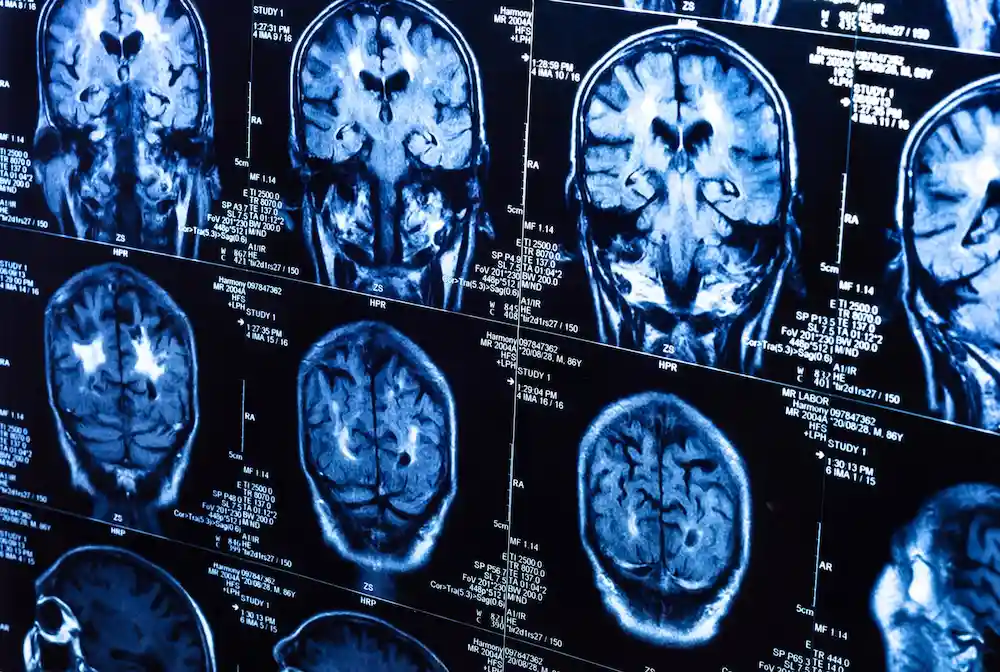
A traumatic brain injury (TBI) occurs when a sudden jolt, blow, or impact causes the brain to move rapidly within the skull. This movement can result in chemical changes, bruising, or damage to brain tissue. Even mild trauma—known as a mild traumatic brain injury (MTBI)—can lead to lasting effects, sometimes without immediate signs such as loss of consciousness.
Common Causes of TBI
TBI can happen in many everyday situations, including:
- Rideshare Accidents – Sudden impact from Uber or Lyft collisions, especially rear-end crashes, can cause the brain to jolt violently.
- Slip and Fall Accidents – Striking the head on the ground during a fall can lead to significant brain trauma.
- Sports Injuries – Contact sports like football, boxing, and rugby are common causes of concussion and TBI.
- Motorcycle Accidents – Especially in Connecticut, where helmets aren’t required for all riders, these crashes can be devastating.
- Pedestrian Accidents – Pedestrians struck by vehicles often suffer TBIs due to direct impact.
- Product-Related Injuries – Falling merchandise or faulty safety equipment (like airbags) can cause head trauma.
- Birth Injuries – Trauma during delivery can result in infant brain injuries with lifelong consequences.
Why TBI Cases Are Complex
Brain injuries are often called “invisible injuries” because their symptoms may be subtle, delayed, or misdiagnosed. TBIs can affect memory, mood, concentration, and even personality. Because of the complexity of these cases—especially when involving multiple parties, such as in rideshare accidents—it’s critical to have a legal team that understands both the medical and legal challenges involved.
How Etemi Law Can Help
At Etemi Law, we are committed to helping victims and their families get the compensation they need for recovery and long-term care. Our experienced team will:
✅ Thoroughly investigate the cause of the brain injury
✅ Work with medical experts to document its full impact
✅ Handle negotiations with insurance companies and responsible parties
✅ Take your case to trial if necessary to fight for full compensation
Don’t Wait — Protect Your Rights
If you or a loved one has suffered a brain injury due to a rideshare crash or another type of accident, it’s crucial to act quickly. You deserve a legal team that will stand by your side and fight for the justice and financial recovery you need.
📞 Call us at (203) 680-8080
📧 Email us or fill out our Free Case Evaluation Form to schedule your free consultation today.
As a reporter who has traced rural crashes across Litchfield County, I watch how Cornwall’s narrow stretches of Route 4 double as farm lanes where tractors, hay trucks and pickups meet commuter cars. Those slow-moving merges and poor sightlines create the exact high-energy transfers to the skull that lead to traumatic brain injury—concussion, intracranial bleeding or diffuse axonal injury—often in otherwise healthy working adults.
On local corridors like the approach to the West Cornwall Covered Bridge, blind rises and single-lane spans complicate emergency response. Farm equipment turning off gravel lanes, ATV rollovers near stone walls, and tractor PTO entanglements produce patterns of focal contusion and skull fracture that require rapid stabilization. First responders often face farmer’s gate delays and unpaved turnarounds that worsen neurological outcomes when time to care stretches.
Sharon Hospital is the most frequent destination for life-threatening head injuries from Cornwall, but ambulances can take 20–35 minutes from remote hamlets and sometimes call for interfacility transfer to tertiary centers. Those transfers—ground and occasional medevac from cleared farm fields—carry their own logistics: repeat CT scans, airway management, and coordination between rural EMS and neurosurgical teams, which affects how quickly neurosurgical care and rehabilitation planning begin.
Near Mohawk Mountain and the town’s working fields, recovery trajectories often include long inpatient stays followed by outpatient therapy far from the family farm; patients trade local familiarity for specialized neurorehabilitation. Neighbors describe how a single misjudged turn on a dirt county lane changes household roles overnight. My reporting listens for those patterns—transport delays, interfacility handoffs, and rehab access—that shape both the medical course and the daily life that follows.