
Thompson Rideshare Accident Lawyer
Do you need a Thompson rideshare accident lawyer? If you or a loved one has been involved in an accident with an Uber, Lyft, or rideshare driver—whether as a passenger, another driver, or even a pedestrian—you have rights. Understanding these rights and navigating the complexities of rideshare accident claims requires the help of an experienced attorney. At Etemi Law, we are dedicated to helping victims of rideshare accidents receive the compensation they deserve.
Call us today at (203) 409-8424 for a
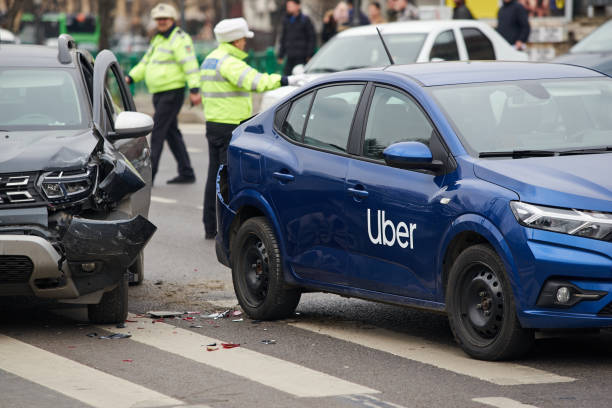
The Reality of Rideshare Accidents
Uber and Lyft have revolutionized transportation, providing millions of rides daily across the U.S. However, with the rise of these services, the number of rideshare-related accidents has also increased. Research from Rice University and the University of Chicago suggests that ridesharing services have contributed to a 2-3% increase in U.S. traffic fatalities since 2011, leading to up to 1,100 deaths annually.
Common Causes of Rideshare Accidents
Uber and Lyft drivers often operate under challenging conditions, increasing their risk of accidents. Some of the most common causes include:
- Distracted Driving – Relying on GPS, accepting ride requests, and managing passengers can divert a driver’s attention.
- Driver Fatigue – Many rideshare drivers work long hours or multiple jobs, leading to drowsy driving.
- Unfamiliar Routes – Navigating new areas can cause sudden stops or erratic driving behavior.
- Poor Vehicle Maintenance – Rideshare drivers are responsible for keeping their vehicles in good working condition, but lapses can lead to preventable accidents.
Connecticut Rideshare Laws and Regulations
Connecticut has strict laws governing rideshare companies and their drivers. These include:
- Mandatory Background Checks – Uber and Lyft must conduct background checks on all drivers, including a criminal record and driving history review.
- Vehicle Safety Requirements – Vehicles must pass inspections and meet specific safety criteria.
- Insurance Coverage – Rideshare companies must provide at least $1 million in liability coverage when drivers are transporting passengers.
- Driver Hour Limits – Uber and Lyft drivers can work a maximum of 14 consecutive hours and 16 hours in a 24-hour period to prevent fatigue-related accidents.
Who is Liable in a Rideshare Accident?
Determining liability in an Uber or Lyft accident can be complex, as multiple insurance policies may be involved. Our legal team at Etemi Law will investigate your case to establish liability and maximize your compensation.
If Another Driver is At Fault
- The at-fault driver’s insurance is the first line of compensation.
- If the at-fault driver is uninsured or underinsured, Uber/Lyft’s uninsured motorist coverage may apply.
If the Rideshare Driver is At Fault
- If the driver was logged into the app and waiting for a ride request, Uber/Lyft provides $50,000 per person/$100,000 per accident in bodily injury coverage.
- If the driver was transporting a passenger, Uber/Lyft provides $1 million in liability coverage.
- If the driver was off duty, their personal auto insurance applies.
Why You Need a Thompson Uber and Lyft Accident Lawyer
Rideshare accident cases involve multiple insurance companies and complicated liability issues. Insurance companies often try to minimize payouts, but with an experienced attorney from Etemi Law, you can fight for the full compensation you deserve.
Our legal team will: ✅ Investigate the accident thoroughly ✅ Obtain key evidence, including rideshare records and driver logs ✅ Negotiate aggressively with insurance companies ✅ Take your case to court if necessary
Contact Etemi Law Today
If you or a loved one has been injured in an Uber or Lyft accident, don’t wait. Protect your rights and get the compensation you deserve. Contact Etemi Law today for a free consultation.
📞 Call us at (203) 409-8424 💻 Visit us online to schedule your case review
As winter arrives in Thompson, the risk of rideshare crashes shifts from distracted merges to black ice and leaf-slicked side streets. Travelers on Interstate 395 report spinouts that turn routine pickups into multi-vehicle pileups; rideshare passengers often suffer whiplash, broken wrists and contusions when cars slide on unseen glaze. I describe how drivers and riders reroute and how delayed roadside response magnifies injuries.
Nearby emergency response centers, especially Day Kimball Hospital in Putnam, become central hubs when ambulances crawl along icy ramps. Snowbound conditions stretch transport times, force interfacility transfers when specialty imaging or orthopedic teams are unavailable, and prolong initial stabilization on scene. Rehab trajectories change too: a winter delay can convert what would be outpatient therapy into longer inpatient observation for fractures or hypothermia-related complications.
At Thompson Speedway Motorsports Park and Quaddick State Park, winter events and ice fishing concentrate people in parking lots and frozen shorelines where rideshare drivers juggle poorly plowed entrances and temporary detours. I’ve seen slip-and-falls, pedestrian struck incidents and low-speed side impacts that produce head injuries or hip fractures in colder months. Those scenes force drivers to reroute drop points, lengthening transfer walks and complicating stretcher access.
Understanding these local patterns matters for care logistics: note where pickups occurred, how long EMS took to arrive on Route 193 curves, and whether transport required an interfacility move to a regional hospital or a more distant trauma center. That record helps clinicians triage and rehabilitation teams anticipate longer recovery windows after winter-related delays. My reporting clarifies what happens on icy Thompson streets without promising outcomes, so survivors can plan medical follow-up.