
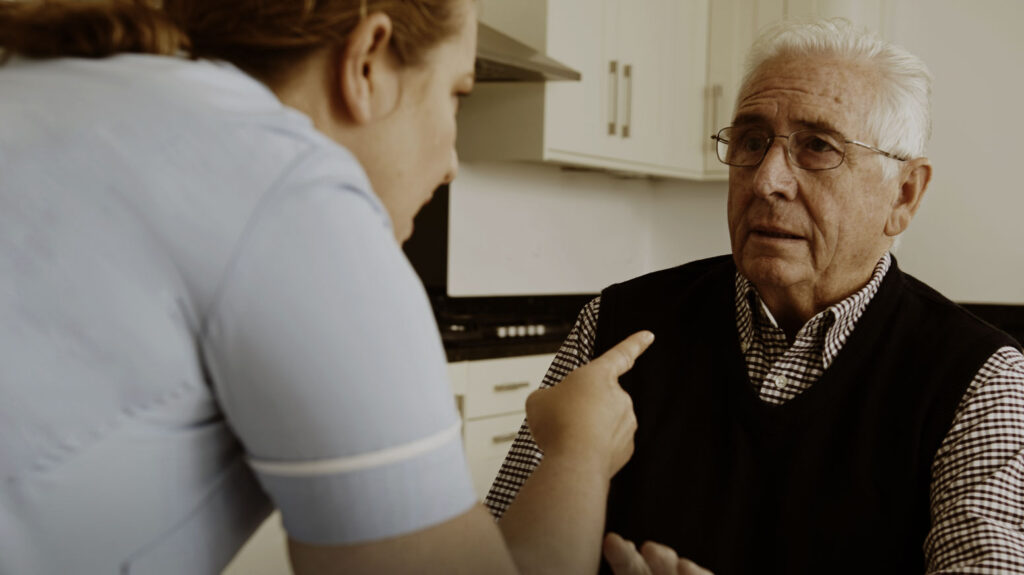
The Reality of Nursing Home Neglect
A nation’s greatness is measured by how it treats its weakest and most vulnerable members. Over time, elder care in America has shifted—from the hands of loving families to the hands of large corporations. And while corporations prioritize profits, the care of our elderly too often becomes secondary.
Today, thousands of long-term care facilities across the U.S. house millions of elderly residents. Tragically, neglect, abuse, and injuries are a persistent—and growing—problem. As your trusted New Britain nursing home neglect lawyer, Etemi Law is here to protect your loved ones and hold negligent facilities accountable.
What Is a Nursing Home Neglect Lawsuit?
A nursing home neglect lawsuit is a legal action taken when a long-term care facility fails to provide the standard of care that the law requires, resulting in injury or death to a resident. As your New Britain nursing home neglect lawyer, Etemi Law handles cases involving:
Bed sores and pressure ulcers due to failure to monitor, treat, or diagnose wounds
Over-medication used to chemically restrain or sedate residents
Assaults, including those by staff or other residents
Falls and injuries caused by inadequate supervision and safety measures
If your loved one has been harmed due to a facility’s negligence, you may have grounds for a lawsuit. A knowledgeable New Britain nursing home neglect lawyer from our team can help you take action.
Who Can File a Nursing Home Neglect Claim in New Britain?
In Connecticut, the resident themselves (if capable) or their legal representative—such as a guardian, conservator, or estate executor—can file a claim. In the case of death, surviving family members may receive compensation.
An experienced New Britain nursing home neglect lawyer from Etemi Law will:
✅ Review medical records and facility documentation
✅ Coordinate with healthcare and elder care experts
✅ Determine liability and identify responsible parties
✅ Handle probate and legal procedures, if needed
You focus on your loved one’s safety—we’ll handle the legal fight.
What Damages Can a New Britain Nursing Home Neglect Lawyer Help You Recover?
Neglect in nursing homes can lead to serious physical and emotional harm. Compensation in a successful case may include:
Costs for medical treatment and rehabilitation
Pain and suffering of the resident
Loss of quality of life and emotional trauma
Funeral and burial expenses, if neglect led to death
Punitive damages for gross misconduct or abuse
Our role as your New Britain nursing home neglect lawyer is to ensure your family receives the justice and financial relief you deserve.
Why You Need a New Britain Nursing Home Neglect Lawyer
Nursing home corporations and their insurers often attempt to downplay or cover up abuse and neglect. They may offer low settlements that don’t reflect the seriousness of the harm done.
With Etemi Law by your side, a skilled New Britain nursing home neglect lawyer will:
Investigate all aspects of the incident
Preserve critical evidence, including surveillance and logs
Coordinate with health authorities and regulatory agencies
Aggressively negotiate—or take your case to court
We fight for the dignity and rights of every elder who has been harmed. We do not back down.
Contact a Trusted New Britain Nursing Home Neglect Lawyer Today
If you suspect that a loved one is being mistreated in a nursing home, take immediate action. Report the abuse to the appropriate authorities—and contact Etemi Law without delay.
📞 Call

📨 Email us directly
💻 Submit our Free Case Evaluation Form
Let a dedicated and compassionate New Britain nursing home neglect lawyer at Etemi Law protect your loved one’s rights and help you seek full and fair justice.