
E-Bike Accident Injuries Connecticut: Common Injuries, What To Do Next, and Legal Options
Estimated reading time: 10 minutes

Key Takeaways
- E-bike crashes often produce more severe forces than traditional bicycle falls due to added weight and speed.
- Early medical evaluation and thorough documentation are critical for both health and any insurance or legal claim.
- Keep and preserve physical evidence — your bike, helmet, and photos — because they matter for fault and damages.
- Connecticut law (including hit-and-run and municipal claims) creates specific timelines and rules; acting promptly helps protect your rights.
- Consider speaking with an attorney when injuries are significant, fault is disputed, or a road defect or product issue may be involved.
Table of contents
- Why E-Bike Crashes Can Cause Serious Injuries
- Common E-Bike Accident Injuries in Connecticut
- What To Do Immediately After an E-Bike Crash in Connecticut
- Medical Follow-Up in the Hours and Days After
- Documentation and Crash Reports in Connecticut
- Legal Considerations After an E-Bike Crash
- When To Contact an Electric Bike Crash Lawyer in CT
- Waterbury-Specific Considerations
- Frequently Asked Questions
- Next Steps
Electric bicycle crashes in Connecticut are increasingly common as e-bikes grow in popularity. These incidents can cause significant harm, sometimes greater than traditional bicycle crashes, and *knowing what to do afterward* matters for both your health and any potential legal claim. For more on cyclist-specific rights and claim steps statewide, review the linked resource.
Why E-Bike Crashes Can Cause Serious Injuries
*E-bikes change the physics of a crash.* They are generally heavier and faster than traditional bicycles, which alters momentum and impact forces.
Speed and Weight
Most e-bikes reach 20 to 28 mph with pedal assist; some throttle models go higher. That speed, combined with bikes that often weigh 50–70 pounds, increases the force transferred in a collision.
Limited Protection
Unlike car occupants, riders have no seatbelts or airbags. Helmets protect the top and back of the head, but faces and bodies remain exposed to pavement, vehicles, and debris.
Connecticut Road Conditions
CT riders face specific hazards:
- Busy intersections where drivers may not see cyclists
- Parked cars creating dooring risks
- Uneven pavement and potholes
- Wet leaves, ice, and seasonal hazards
- Construction zones with loose gravel or debris
Common Crash Scenarios
Typical scenarios include:
- A vehicle turning left across the rider’s path
- Rear-end or sideswipe collisions
- Dooring incidents
- Pedestrians stepping into the bike’s path
- Roadway hazards causing a fall
- Equipment failures — brakes, battery, or electrical issues
Common E-Bike Accident Injuries in Connecticut
The injuries you sustain depend on speed, the nature of the impact, helmet use, and how you fall. Below are commonly reported injury types.
Head Injuries, Concussions, and Traumatic Brain Injury
A concussion results from a blow or jolt to the head; loss of consciousness is not required.
Symptoms to watch for:
- Headache
- Dizziness or balance problems
- Nausea
- Confusion or feeling “foggy”
- Memory problems
- Sensitivity to light or noise
- Sleep changes
Why this matters: Symptoms can appear hours or days later. Prompt medical evaluation creates a record and guides treatment. For a deeper look at longer-lasting concussion issues and documentation, see longer-lasting concussion issues and symptom documentation. For broader costs and impacts of milder TBIs, see broader costs and impacts of milder TBIs.
Facial and Dental Injuries
Helmets often leave the face exposed. Common outcomes include:
- Cuts and facial lacerations
- Broken nose or jaw fractures
- Chipped, broken, or lost teeth
These injuries can require emergency dental work, oral surgery, or plastic surgery for scarring.
Fractures and Broken Bones
Instinctive bracing leads to wrist and forearm fractures; other common breaks include collarbone, ribs, ankle, and hip. Treatment can require casting or surgery and months of rehabilitation.
Road Rash, Lacerations, and Infection Risk
Road rash ranges from minor abrasions to deep wounds exposing tissue. Pavement embeds debris into skin, increasing infection risk. Severe cases may need skin grafts.
Soft-Tissue Injuries
Sprains, strains, and tears are common — shoulder, knee, neck, and back muscles often suffer. These injuries may not appear on X-rays and can require MRI for diagnosis. For soft-tissue timelines and cervical strain recovery expectations, see soft-tissue timelines (including cervical strain recovery expectations).
Back and Spinal Injuries
Crashes can herniate discs, compress nerves, or in severe cases damage the spinal cord. Seek immediate care for:
- Numbness or tingling in arms or legs
- Weakness in extremities
- Changes in bowel or bladder function
Internal Injuries
High-force impacts can cause internal bleeding or organ injury, sometimes without obvious early signs.
Warning signs: abdominal tenderness, fainting, worsening dizziness, or torso bruising.
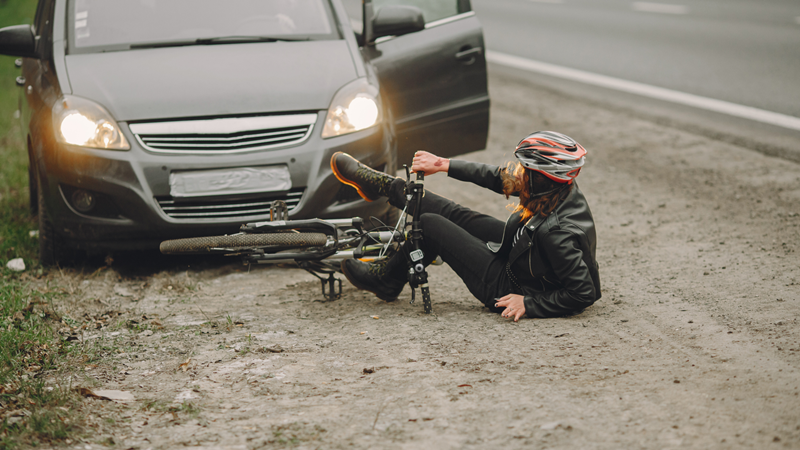
What To Do Immediately After an E-Bike Crash in Connecticut
The first minutes and hours after a crash affect your health and any future claim. Use this practical checklist. For a broader Connecticut crash checklist to compare against, see broader Connecticut crash checklist.
“If you have a medical emergency, call 911 immediately.”
1. Get to safety if you can.
Move out of traffic unless you suspect a spinal injury — severe neck/back pain, numbness, or weakness — in which case stay still and wait for help.
2. Call 911.
Request police and EMS for serious symptoms or when a vehicle is involved. A police response creates an official record. For what calling 911 does for safety and evidence, see detailed breakdown of calling 911.
3. Accept medical evaluation.
Adrenaline can mask injuries. Let EMS evaluate you or go to the ER promptly.
4. Document the scene if safe to do so.
Photograph: bike damage, vehicle (license plate), road conditions (potholes, debris), skid marks, traffic signs, and visible injuries.
5. Get witness information.
Ask for names and phone numbers of anyone who saw the crash.
6. Don’t argue fault or speculate.
Stick to facts with police and others. Avoid apologies or guesses.
7. Preserve your bike and helmet.
Do not repair, charge, or alter the bike before inspection — physical evidence matters if equipment failure contributed to the crash.
Connecticut’s Duty-to-Stop Law
Under Connecticut General Statutes §14-224, drivers involved in a crash causing injury, death, or property damage must stop, help the injured, and exchange information. If a driver leaves the scene, report it immediately — the law creates obligations and penalties. For compensation options after a hit-and-run, see compensation options after a hit-and-run.
Medical Follow-Up in the Hours and Days After
Even if you feel “okay,” same-day or next-day medical evaluation is important. Some injuries develop over time: concussions (24-72 hours), neck/back pain, and swelling that reveals hidden fractures.
What To Track
Keep a simple symptom journal noting daily:
- Pain levels (1–10)
- Headaches, dizziness, vision changes
- Sleep quality
- Mobility limitations
- Missed work days
- Medications taken
This journal helps doctors and provides documentation for claims.
Follow Through on Treatment
Attend follow-up visits, imaging, and physical therapy as recommended. Gaps in treatment give insurers reasons to dispute the severity or cause of your injuries.
Documentation and Crash Reports in Connecticut
Good documentation supports medical care and any insurance or legal claim. Gather records and evidence promptly.
Police Reports: The PR-1
The official record for motor vehicle collisions is the Connecticut Uniform Police Crash Report (Form PR-1). When a vehicle and e-bike collide, the PR-1 is often central to the case.
How To Find Crash Information Online
The Connecticut State Police publish an Accident Information Summary online for 30 days after the incident. Save or print it promptly.
Records To Gather
Create a file (digital or physical) including:
- ER or urgent care notes, imaging results, discharge instructions
- All medical bills and receipts
- Proof of missed work (pay stubs, employer letters)
- Bike repair or replacement estimates and photos of damaged gear
- Insurance claim numbers and adjuster contacts
For guidance on preserving key evidence (including preservation letters), see protecting key evidence.
Legal Considerations After an E-Bike Crash
Liability depends on how the crash happened and who was negligent. Common categories include driver negligence, roadway issues, product defects, and hit-and-run cases.
Driver Negligence
Typical behaviors leading to claims:
- Failing to yield
- Distracted driving (phone, GPS)
- Passing too closely
- Dooring incidents
- Speeding or reckless driving
Connecticut uses a modified comparative negligence rule: you can recover if you are 50% or less at fault, but your recovery is reduced by your percentage of fault.
Roadway or Municipal Issues
Potholes, missing signage, construction debris, or design defects can contribute to crashes. Claims against government entities have special rules and shorter deadlines. If road conditions contributed, consult counsel early. For more on responsibility when road defects are involved, see road defect responsibility.
Product or Equipment Defects
If brakes failed or a battery malfunctioned, manufacturers or sellers may bear responsibility — preserve the bike in its post-crash condition for inspection.
Hit-and-Run Situations
Report fleeing drivers immediately. Document what you remember. Your uninsured motorist coverage may apply. For how hit-and-run investigations work in Connecticut, see hit-and-run investigation process.
The Insurance Reality
Insurance companies often try to minimize payouts by disputing fault or injury severity and by using recorded statements. Consider legal guidance before giving detailed statements. For common insurance tactics, see 10 tactics insurers use to devalue claims.
When To Contact an Electric Bike Crash Lawyer in CT
Not every crash requires an attorney, but consider one if:
- You have head injuries, fractures, surgery needs, ongoing pain, or significant missed work
- The driver disputes fault or blames you
- Evidence conflicts or there are no witnesses
- You’re pressured to settle quickly
- The crash involves a government entity, road defect, or possible product defect
An experienced attorney can investigate, obtain records (PR-1 and summaries), calculate damages, handle insurance communications, and file suit if necessary — letting you focus on recovery.
Waterbury-Specific Considerations
Waterbury riders face mixed traffic corridors, busy intersections, and variable road quality. Seasonal hazards like wet leaves and ice increase risk. If a pothole, construction zone, or road defect contributed to your crash, document the exact location and preserve evidence.
About the Author
Ron Etemi is a Connecticut trial lawyer and co-founder of Etemi Law who represents individuals and families in serious personal injury, wrongful death, and catastrophic motor-vehicle cases. With more than 15 years of experience in Connecticut state and federal courts, Ron has litigated hundreds of cases and recovered millions of dollars in settlements and verdicts. A former insurance-defense attorney and appellate law clerk to a Connecticut Supreme Court Chief Justice, Ron brings a trial-first mindset, deep medical-legal analysis, and an insider understanding of insurance tactics to every case.
Frequently Asked Questions
What are the most common e-bike accident injuries in Connecticut?
The most frequently reported injuries include concussions and head trauma, facial injuries, broken bones (wrists, collarbones, ribs), road rash, soft-tissue injuries like sprains and strains, and back injuries. Severe crashes can cause internal injuries or spinal cord damage.
Should I go to the ER if I feel okay after an e-bike crash?
Yes. Adrenaline masks pain, and injuries such as concussions, internal bleeding, and soft-tissue damage may not present immediate symptoms. Same-day medical evaluation creates a record and helps catch problems early.
What evidence should I collect after an e-bike crash?
Photograph everything: your bike, the vehicle involved and license plate, road conditions, skid marks, signage, and visible injuries. Get witness names and contacts. Preserve your bike and helmet and avoid repairs until an inspection is possible.
How do I get a copy of the police report in Connecticut?
The official record is the Connecticut Uniform Police Crash Report (Form PR-1). The Connecticut State Police publish an “Accident Information Summary” online for 30 days after the crash — search for it promptly and save a copy.
What if the driver left the scene?
Report the hit-and-run to police immediately under Connecticut law (§14-224). Document what you can remember about the vehicle. Your uninsured motorist coverage may provide compensation; for a clear overview of typical uninsured motorist coverage in CT, see uninsured motorist coverage in Connecticut.
When should I talk to an electric bike crash lawyer in CT?
Consider legal consultation if you have serious injuries, the driver disputes fault, evidence conflicts, you’re pressured to settle, or the crash involves a government entity or product defect. An attorney can explain your options and protect your interests.
Next Steps
After an e-bike crash in Connecticut, prioritize these three actions:
- Get medical care and monitor for delayed symptoms.
- Document everything and obtain crash reports while they remain available.
- Seek legal guidance when injuries are serious or fault is disputed.
If you were hurt in an e-bike crash and want to understand your options, consider consulting with qualified counsel to review your situation and next steps.
This article provides general information about e-bike accident injuries in Connecticut. It is not medical or legal advice and does not create an attorney-client relationship. For specific questions about your crash or injuries, consult a qualified attorney or medical professional.