
Bozrah Rideshare Accident Lawyer
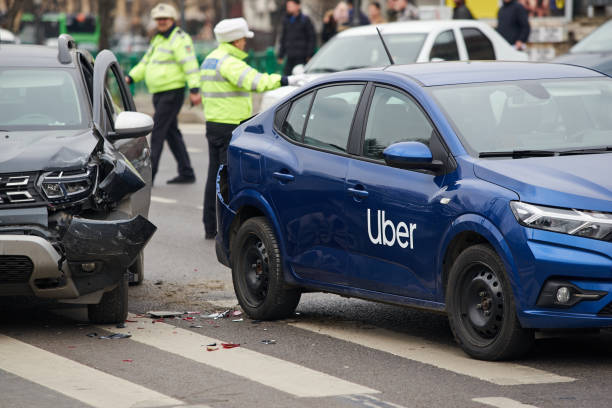
Do you need a Bozrah rideshare accident lawyer? If you or a loved one has been involved in an accident with an Uber, Lyft, or rideshare driver—whether as a passenger, another driver, or even a pedestrian—you have rights. Understanding these rights and navigating the complexities of rideshare accident claims requires the help of an experienced attorney. At Etemi Law, we are dedicated to helping victims of rideshare accidents receive the compensation they deserve.
Call us today at (203) 409-8424 for a
The Reality of Rideshare Accidents
Uber and Lyft have revolutionized transportation, providing millions of rides daily across the U.S. However, with the rise of these services, the number of rideshare-related accidents has also increased. Research from Rice University and the University of Chicago suggests that ridesharing services have contributed to a 2-3% increase in U.S. traffic fatalities since 2011, leading to up to 1,100 deaths annually.
Common Causes of Rideshare Accidents
Uber and Lyft drivers often operate under challenging conditions, increasing their risk of accidents. Some of the most common causes include:
- Distracted Driving – Relying on GPS, accepting ride requests, and managing passengers can divert a driver’s attention.
- Driver Fatigue – Many rideshare drivers work long hours or multiple jobs, leading to drowsy driving.
- Unfamiliar Routes – Navigating new areas can cause sudden stops or erratic driving behavior.
- Poor Vehicle Maintenance – Rideshare drivers are responsible for keeping their vehicles in good working condition, but lapses can lead to preventable accidents.
Connecticut Rideshare Laws and Regulations
Connecticut has strict laws governing rideshare companies and their drivers. These include:
- Mandatory Background Checks – Uber and Lyft must conduct background checks on all drivers, including a criminal record and driving history review.
- Vehicle Safety Requirements – Vehicles must pass inspections and meet specific safety criteria.
- Insurance Coverage – Rideshare companies must provide at least $1 million in liability coverage when drivers are transporting passengers.
- Driver Hour Limits – Uber and Lyft drivers can work a maximum of 14 consecutive hours and 16 hours in a 24-hour period to prevent fatigue-related accidents.
Who is Liable in a Rideshare Accident?
Determining liability in an Uber or Lyft accident can be complex, as multiple insurance policies may be involved. Our legal team at Etemi Law will investigate your case to establish liability and maximize your compensation.
If Another Driver is At Fault
- The at-fault driver’s insurance is the first line of compensation.
- If the at-fault driver is uninsured or underinsured, Uber/Lyft’s uninsured motorist coverage may apply.
If the Rideshare Driver is At Fault
- If the driver was logged into the app and waiting for a ride request, Uber/Lyft provides $50,000 per person/$100,000 per accident in bodily injury coverage.
- If the driver was transporting a passenger, Uber/Lyft provides $1 million in liability coverage.
- If the driver was off duty, their personal auto insurance applies.
Why You Need a Bozrah Uber and Lyft Accident Lawyer
Rideshare accident cases involve multiple insurance companies and complicated liability issues. Insurance companies often try to minimize payouts, but with an experienced attorney from Etemi Law, you can fight for the full compensation you deserve.
Our legal team will: ✅ Investigate the accident thoroughly ✅ Obtain key evidence, including rideshare records and driver logs ✅ Negotiate aggressively with insurance companies ✅ Take your case to court if necessary
Contact Etemi Law Today
If you or a loved one has been injured in an Uber or Lyft accident, don’t wait. Protect your rights and get the compensation you deserve. Contact Etemi Law today for a free consultation.
📞 Call us at (203) 409-8424 💻 Visit us online to schedule your case review
In Bozrah, Connecticut, winter transforms narrow town roads into unforgiving stretches where a fleeting black-ice patch can turn a routine rideshare trip into a collision on Route 82. As an investigative observer I watch drivers and passengers weigh split-second choices — swerve, brake, or rely on traction that may not be there. That harsh geography matters: small speed changes on a county road make serious soft-tissue and head injuries more likely, and they complicate how a rideshare vehicle behaves after impact.
Rideshare trips in winter often intersect with the realities of emergency care: transport times from Bozrah to Backus Hospital in nearby Norwich lengthen when ice slows ambulances and interfacility transfers are scheduled. Drivers report delays because plow patterns favor state highways; patients with suspected fractures or neck injuries can face longer waits before imaging or transfer to specialty centers, and that delay shapes early rehab trajectories and pain management.
Gardner Lake’s frozen edges and the parking areas around Bozrah Town Hall are common pickup zones where riders misjudge slick curbs or downhill approaches, producing slips, shoulder dislocations, and wrist fractures that first responders must stabilize on site. Rideshare operators and passengers need to understand how an on-scene decision — seeking ambulance transport or a direct rideshare trip — changes the path from initial ER evaluation to outpatient physical therapy in the months that follow.
My reporting lens looks for patterns: winter timing, vehicle telemetry, witness statements, and municipal plowing schedules that affect whether an injury is exacerbated by delayed transport. In Bozrah, that means noting exactly where a car stopped on Route 163 or Route 82, which facility accepted the transfer, and how rehab was arranged after discharge. Those concrete details matter to reconstructing what happened and how care progressed without promising outcomes.