
Putnam Traumatic Brain Injury Lawyer
Putnam Traumatic Brain Injury Lawyers
Medical Evidence, Causation, and Accountability — Etemi Law
A traumatic brain injury (TBI) is one of the most serious injuries a person can suffer after a car accident, truck crash, fall, or other traumatic event. Unlike broken bones or visible wounds, brain injuries are often invisible, misunderstood, and underestimated—yet they can permanently alter cognition, personality, emotional regulation, and the ability to work or live independently.
At Etemi Law, our Connecticut personal injury attorneys represent individuals and families affected by mild, moderate, and severe traumatic brain injuries. We approach TBI cases with a medical-legal strategy, combining careful review of neurological records, advanced imaging, neuropsychological testing, and expert analysis to prove causation and secure full compensation.
Call us today at (203) 409-8424 for a
What Is a Traumatic Brain Injury (TBI)?
A traumatic brain injury occurs when an external force disrupts normal brain function. TBIs can result from direct impact to the head, rapid acceleration-deceleration forces, rotational forces, or blast-type trauma.
Common causes of TBIs in Connecticut include:
- Motor vehicle accidents (car, truck, motorcycle)
- Pedestrian and bicycle crashes
- Falls on unsafe premises
- Construction and workplace accidents
- Sports and recreational injuries
- Assaults
Importantly, loss of consciousness is not required for a traumatic brain injury to occur. Many TBIs—especially concussions—are initially missed or misdiagnosed.
Types of Traumatic Brain Injuries
Mild Traumatic Brain Injury (mTBI / Concussion)
Often dismissed as “minor,” mild TBIs can cause lasting impairment. Symptoms may include:
- Headaches
- Dizziness
- Cognitive slowing
- Memory and concentration problems
- Sensitivity to light or noise
- Mood changes
Medical literature confirms that mild TBIs can produce persistent post-concussive symptoms, even when CT scans appear normal.
Moderate to Severe TBI
More severe injuries may involve:
- Loss of consciousness
- Intracranial bleeding
- Diffuse axonal injury (DAI)
- Brain contusions
- Skull fractures
These injuries often result in permanent disability and require long-term care.
How Accidents Cause Brain Injuries — Even Without Direct Head Impact
Traumatic brain injuries frequently occur due to acceleration-deceleration and rotational forces, not just blunt impact. In car accidents, the brain moves within the skull, causing shearing and stretching of neural tissue.
Peer-reviewed medical research shows that:
- Rapid deceleration alone can cause brain injury
- Rotational forces are strongly associated with diffuse axonal injury
- Brain injury severity does not reliably correlate with vehicle damage
This is why TBIs can occur in low-speed or low-property-damage crashes, a fact often misunderstood by insurers but well supported in medical literature.
Common TBI Pathologies Seen on Imaging and Testing
CT Scans
CT is often used acutely to detect:
- Hemorrhage
- Skull fractures
- Acute swelling
However, CT scans frequently miss mild and moderate brain injuries.
MRI
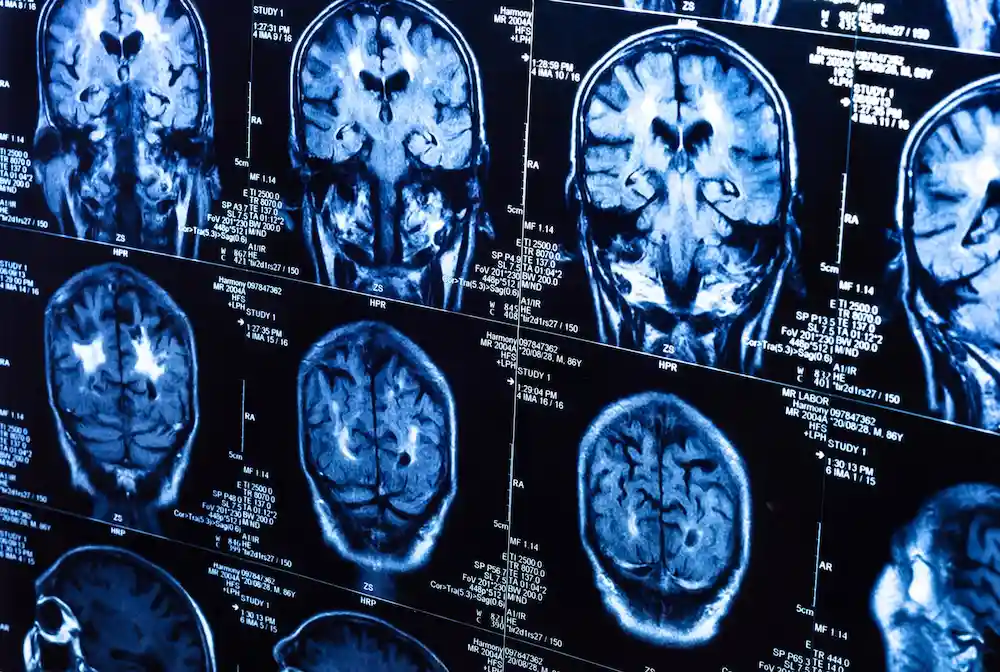
MRI provides greater sensitivity and may reveal:
- Contusions
- Microhemorrhages
- Structural abnormalities
Advanced MRI techniques (when available) may detect subtle injury patterns consistent with trauma.
Neuropsychological Testing
Neuropsychological evaluation is critical in TBI cases and assesses:
- Memory
- Attention
- Executive function
- Processing speed
- Emotional regulation
These tests often provide the most compelling objective evidence of functional brain injury.
Delayed Symptoms and the Evolution of TBI
One of the defining features of traumatic brain injury is delayed or evolving symptom onset. Many individuals feel “fine” immediately after an accident, only to develop cognitive, emotional, or neurological symptoms days or weeks later.
This delay is well documented in medical literature and is not evidence that the injury is unrelated to trauma. Understanding this progression is critical in both medical diagnosis and legal causation.
How Etemi Law Reviews Medical Evidence in TBI Cases
At Etemi Law, we handle traumatic brain injury cases with extraordinary care and precision. Our attorneys conduct a line-by-line review of all medical records, including:
- Emergency department records
- EMS reports
- CT and MRI imaging
- Neurology consultations
- Neuropsychological evaluations
- Therapy and rehabilitation records
We work closely with:
- Neurologists
- Neuropsychologists
- Neuroradiologists
- Life care planners
- Biomechanical experts
This multidisciplinary approach allows us to:
- Identify subtle indicators of brain injury
- Distinguish traumatic injury from unrelated conditions
- Establish clear causal links between the accident and symptoms
- Accurately assess long-term prognosis and damages
Legal Significance of Traumatic Brain Injuries in Connecticut
Under Connecticut law, individuals injured due to another party’s negligence may recover compensation for:
- Past and future medical expenses
- Cognitive impairment
- Emotional distress
- Loss of earning capacity
- Pain and suffering
- Permanent disability
- Loss of enjoyment of life
TBI cases often involve significant future damages, making accurate medical analysis and expert testimony essential.
Why TBI Cases Require Experienced Legal Representation
Traumatic brain injury claims are frequently contested by insurance companies, which may argue:
- Symptoms are exaggerated
- Imaging is “normal”
- Injuries are pre-existing
- The crash was “too minor” to cause a brain injury
These arguments ignore decades of neurological research. Successfully countering them requires experience, medical literacy, and expert support.
Why Putnam Injury Victims Trust Etemi Law
Etemi Law has decades of combined experience representing clients in catastrophic injury and wrongful death cases throughout Connecticut. We understand the science of traumatic brain injury and how to present complex medical evidence clearly and persuasively.
We are prepared to:
- Retain leading medical experts
- Challenge insurer misinformation
- Present neuropsychological and imaging evidence effectively
- Pursue maximum compensation through settlement or trial
Frequently Asked Questions
FAQ: Can a mild concussion really be a serious brain injury?
Yes. Medical research confirms that mild traumatic brain injuries can cause lasting cognitive and emotional impairment.
FAQ: Can a brain injury occur without hitting your head?
Yes. Acceleration-deceleration and rotational forces alone can cause traumatic brain injury.
FAQ: Why didn’t my CT scan show my brain injury?
CT scans often miss mild and moderate TBIs. MRI and neuropsychological testing are more sensitive.
FAQ: How long do I have to file a TBI lawsuit in Connecticut?
Deadlines vary depending on the case. Speaking with an attorney promptly protects your rights.
FAQ: What does it cost to speak with Etemi Law?
Consultations are confidential and free. There is no obligation to proceed.
Speak With a Putnam Traumatic Brain Injury Lawyer at Etemi Law
If you or a loved one suffered a traumatic brain injury after an accident in Connecticut, you deserve a careful medical review and a law firm that understands both the science and the law.
Contact Etemi Law for a confidential consultation and learn how we can help you pursue justice and full compensation.
As an investigative observer walking Putnam’s rural edges, I watch how slow-moving tractors merge onto US Route 44 and narrow town roads where sightlines dip between stone walls and hayfields. Those same corridors create the high-energy impact scenarios that produce traumatic brain injury: rollovers, head strikes against cabin frames, and collisions with passenger vehicles. The pattern is clear — farm machinery meeting commuter traffic can turn a routine trip into a life-changing injury.
Along the Quinebaug River banks and fields, recreational ATV use, unsecured hay bales, and low-visibility lane shifts add layers to the risk. Puncture wounds, concussions, diffuse axonal injury, and skull fractures show different clinical faces depending on speed and restraint. In Putnam’s agricultural zones, many traumatic brain injuries begin not inside hospitals but at roadside scenes where extraction, spinal protection and initial airway management determine early outcomes.
Emergency response in Putnam reflects its rural footprint: narrow lanes, long driveways, and seasonal harvest traffic lengthen transport times to Day Kimball Hospital and sometimes necessitate interfacility transfer to regional trauma centers. EMS crews describe scenarios of prolonged on-scene stabilization when farm equipment blocks egress. That reality shapes treatment timelines — from CT scanning to neurosurgical consults — and affects how rehabilitation planning is initiated for moderate and severe traumatic brain injuries.
Putnam Town Green and surrounding community groups often become gathering points for rehabilitation resources, caregiver networks, and safety education targeted to rural drivers and equipment operators. An empathetic, investigative look at local crashes shows recurring themes: limited local rehab capacity, frequent need for outpatient therapies in neighboring towns, and the importance of documenting how an injury occurred for medical teams. For residents, practical steps start with rapid reporting and clear communication with first responders.