
Stamford Rideshare Accident Lawyer
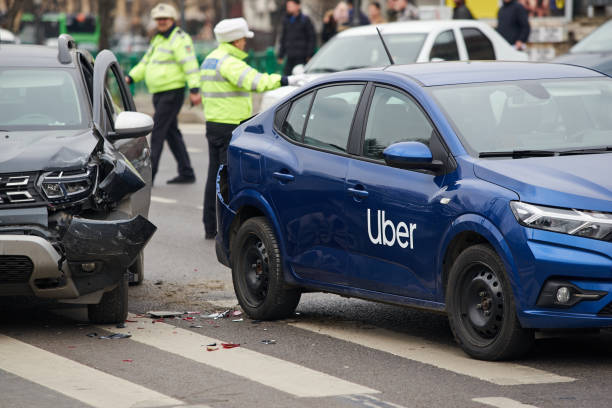
Do you need a Stamford rideshare accident lawyer? If you or a loved one has been involved in an accident with an Uber, Lyft, or rideshare driver—whether as a passenger, another driver, or even a pedestrian—you have rights. Understanding these rights and navigating the complexities of rideshare accident claims requires the help of an experienced attorney. At Etemi Law, we are dedicated to helping victims of rideshare accidents receive the compensation they deserve.
Call us today at (203) 409-8424 for a
The Reality of Rideshare Accidents
Uber and Lyft have revolutionized transportation, providing millions of rides daily across the U.S. However, with the rise of these services, the number of rideshare-related accidents has also increased. Research from Rice University and the University of Chicago suggests that ridesharing services have contributed to a 2-3% increase in U.S. traffic fatalities since 2011, leading to up to 1,100 deaths annually.
Common Causes of Rideshare Accidents
Uber and Lyft drivers often operate under challenging conditions, increasing their risk of accidents. Some of the most common causes include:
- Distracted Driving – Relying on GPS, accepting ride requests, and managing passengers can divert a driver’s attention.
- Driver Fatigue – Many rideshare drivers work long hours or multiple jobs, leading to drowsy driving.
- Unfamiliar Routes – Navigating new areas can cause sudden stops or erratic driving behavior.
- Poor Vehicle Maintenance – Rideshare drivers are responsible for keeping their vehicles in good working condition, but lapses can lead to preventable accidents.
Connecticut Rideshare Laws and Regulations
Connecticut has strict laws governing rideshare companies and their drivers. These include:
- Mandatory Background Checks – Uber and Lyft must conduct background checks on all drivers, including a criminal record and driving history review.
- Vehicle Safety Requirements – Vehicles must pass inspections and meet specific safety criteria.
- Insurance Coverage – Rideshare companies must provide at least $1 million in liability coverage when drivers are transporting passengers.
- Driver Hour Limits – Uber and Lyft drivers can work a maximum of 14 consecutive hours and 16 hours in a 24-hour period to prevent fatigue-related accidents.
Who is Liable in a Rideshare Accident?
Determining liability in an Uber or Lyft accident can be complex, as multiple insurance policies may be involved. Our legal team at Etemi Law will investigate your case to establish liability and maximize your compensation.
If Another Driver is At Fault
- The at-fault driver’s insurance is the first line of compensation.
- If the at-fault driver is uninsured or underinsured, Uber/Lyft’s uninsured motorist coverage may apply.
If the Rideshare Driver is At Fault
- If the driver was logged into the app and waiting for a ride request, Uber/Lyft provides $50,000 per person/$100,000 per accident in bodily injury coverage.
- If the driver was transporting a passenger, Uber/Lyft provides $1 million in liability coverage.
- If the driver was off duty, their personal auto insurance applies.
Why You Need a Stamford Uber and Lyft Accident Lawyer
Rideshare accident cases involve multiple insurance companies and complicated liability issues. Insurance companies often try to minimize payouts, but with an experienced attorney from Etemi Law, you can fight for the full compensation you deserve.
Our legal team will: ✅ Investigate the accident thoroughly ✅ Obtain key evidence, including rideshare records and driver logs ✅ Negotiate aggressively with insurance companies ✅ Take your case to court if necessary
Contact Etemi Law Today
If you or a loved one has been injured in an Uber or Lyft accident, don’t wait. Protect your rights and get the compensation you deserve. Contact Etemi Law today for a free consultation.
📞 Call us at (203) 409-8424 💻 Visit us online to schedule your case review
On Stamford’s coastal mornings, black ice creeps across I-95 and the merge lanes near Tresser Boulevard, turning routine rideshares into precarious conveyances. Drivers coming off the highway toward downtown or into Harbor Point can encounter instant loss of traction where fallen leaves freeze into hidden slicks. Those seconds between signal and stoplight are where low-speed collisions and multi-vehicle chain reactions most often begin in cold snaps.
When rideshare vehicles slide off curbs or into parked cars during winter, the injury pattern is familiar: whiplash, wrist and hip fractures from bracing, head lacerations, and hypothermia after prolonged roadside waits. Icy conditions slow ambulances and scene access, so some injured passengers are driven or escorted to Stamford Hospital for imaging and stabilization, only to need later transfers to specialty centers when advanced care is required.
Pickups at the Stamford Transportation Center and drop-offs near Harbor Point become logistical flashpoints when snowplows lag and commuter trains run late; drivers reroute onto local streets, adding minutes that complicate interfacility handoffs. Emergency departments triage with an eye toward transport time, and many patients follow a predictable path from ER to inpatient care or outpatient physical therapy along Tresser Boulevard, with rehab stretching from weeks for strains to months for complex fractures.
I’ve interviewed drivers, EMTs and ER nurses who describe the same winter choreography: slick ramps, diverted routes, and longer waits that affect recovery windows. Clear documentation and early imaging at Stamford Hospital help preserve options, while delayed transport on icy nights can lengthen rehabilitation timelines. For Stamford riders and drivers, knowing where black ice forms — I-95 ramps, Tresser intersections and Harbor Point promenades — can shape safer choices when winter weather arrives.