
Company Car Accident Connecticut: Who Pays, What Insurance Applies, and How to File a Claim
Estimated reading time: 12 minutes

Key Takeaways
- Multiple parties and policies can be involved when a company vehicle is in a crash — employer, employee, and third parties may all bear responsibility.
- Scope of employment often determines employer liability — whether the driver was performing work duties at the time matters.
- Several types of insurance may apply: commercial auto, personal auto, workers’ compensation, and the at-fault driver’s liability policy.
- Immediate steps at the scene and strong documentation make or break coverage and liability arguments.
- If coverage or fault is disputed, professional help is often necessary.
Table of contents
- Company Car Accident Connecticut: Who Pays, What Insurance Applies, and How to File a Claim
- Key Takeaways
- What to Do Immediately After a Company Car Accident in Connecticut
- Who Is Liable in a Work Vehicle Crash in CT?
- Employer Responsibility After an Auto Accident
- What Insurance Covers a Company Car Accident in Connecticut?
- How to File a Company Insurance Claim in Connecticut
- Special Situations That Change Liability or Coverage
- When to Talk to a Professional
- Frequently Asked Questions
What to Do Immediately After a Company Car Accident in Connecticut
The first few minutes after any crash matter. What you do at the scene affects your safety, your legal obligations, and your ability to file claims later. For a broader step-by-step checklist that applies to most CT crashes (including work vehicles), review the linked resource.
Step-by-Step Actions at the Scene
*Stop immediately.* Connecticut law requires you to remain at or near the scene. If your vehicle is blocking traffic and can be moved safely, you may reposition it—but don’t leave the area.
*Check for injuries.* If anyone appears hurt, call 911 right away. Request police response. Even if injuries seem minor, having emergency responders evaluate the situation protects everyone involved. For guidance on what to say and do when calling 911 after a crash, see the linked protocol.
*Exchange information.* You need to collect and provide:
- Full names and addresses of all drivers
- Driver’s license numbers
- Vehicle registration information
- Insurance details
*Document the scene.* Use your phone to take photos and video of:
- Vehicle positions before anything is moved
- All visible damage to every vehicle
- License plates
- Road conditions, traffic signs, and signals
- Skid marks or debris
- Your injuries, if appropriate
*Identify witnesses.* If anyone saw what happened, get their names and phone numbers. Witness accounts often become important when fault is disputed.
Connecticut’s Legal Requirements
Connecticut takes post-accident duties seriously. Under state law, drivers involved in crashes causing injury or property damage must stop immediately, provide assistance to injured persons if needed, and share their identifying information with other parties or police. Leaving the scene without doing so can result in serious criminal penalties.
The Connecticut Driver’s Manual reinforces these requirements and adds practical guidance: move your vehicle out of traffic if you can do so safely, and contact police whenever someone is injured or killed, or when property damage has occurred.
Police Reports and Why They Matter
When a crash involves death, injury, or property damage exceeding $1,000, the investigating officer must complete a uniform written report. This report gets submitted to the state within five days and becomes an important piece of evidence for insurance claims and any legal proceedings. If you need help understanding how CT accident reports work (including how to request them and use them as evidence), consult the linked guide.
Connecticut State Police provide an Accident Information Summary to parties involved in a crash. This document contains basic details—parties, vehicles, and insurance information—and is accessible online for 30 days after the accident. Getting this summary quickly helps you start the claims process with accurate information.
Notify Your Employer
If you were driving a company vehicle, contact your supervisor or fleet manager as soon as reasonably possible. Ask what internal incident report is required. Many employers have specific protocols for work vehicle accidents.
“Don’t admit fault. Stick to the facts and document everything.”
A few important points here:
- Don’t admit fault to your employer or anyone else at this stage
- Stick to factual descriptions of what happened
- Keep copies of any forms you complete or communications you send
- Ask for the company’s insurance information if you don’t already have it
Who Is Liable in a Work Vehicle Crash in CT?
Liability means legal responsibility to pay for damages—medical bills, lost wages, property damage, and in some cases, pain and suffering. In a work vehicle crash, liability can fall on more than one party. For a similar liability framework involving fleet/company vehicles in the trucking context, review the linked discussion.
The Three Common Sources of Liability
- The employee-driver. If the person behind the wheel caused the crash through negligent driving—speeding, distracted driving, running a red light, failing to yield—they bear responsibility for that conduct.
- The employer. When an employee causes a crash while performing work duties, the employer may also be legally responsible. This happens even if the employer did nothing wrong directly. Additionally, employers can be liable for their own negligence, such as inadequate training or poor vehicle maintenance.
- A third party. Sometimes the fault lies elsewhere: another driver who caused the collision, a vehicle manufacturer whose defective part contributed to the crash, or a maintenance provider who failed to properly service the vehicle.
Understanding “Scope of Employment”
This concept determines whether the employer shares responsibility. In plain terms: if the employee was doing tasks for the employer’s benefit at the time of the crash, the employer may be on the hook.
What typically falls within scope:
- Driving to a client meeting
- Making deliveries
- Traveling between job sites during the workday
- Running work-related errands
What often falls outside scope:
- Personal errands after work hours
- Significant detours for non-work purposes
- Using the vehicle without authorization
Gray areas exist. Commuting to and from work is frequently contested. Lunch breaks can go either way depending on the circumstances. These determinations are fact-specific, and insurers often dispute them.
Quick Scenarios to Help You Identify Your Situation
- Driving to a client meeting in a company car → Likely within scope of employment
- Running a personal errand in the company car after hours → May fall outside scope
- Driving between job sites during the day → Likely within scope
- Regular commute to or from home → Often contested; depends on employer policy and specific facts
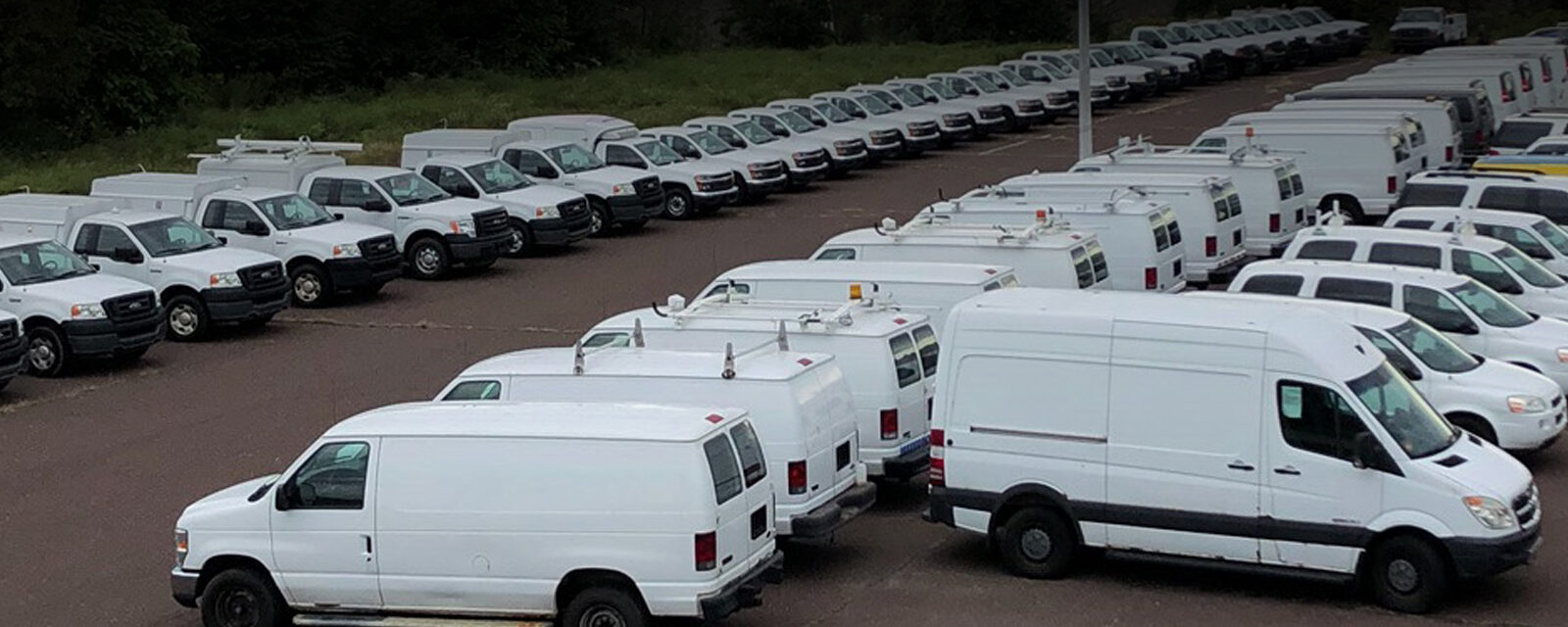
Employer Responsibility After an Auto Accident
Employer responsibility refers to the company’s legal obligation to pay when a crash is tied to work activities or when the employer’s own negligence contributed to the accident.
Two Pathways to Employer Liability
- Vicarious liability. This legal principle holds employers responsible for employee negligence that occurs while performing work duties. The employer doesn’t have to do anything wrong—they’re liable because the employee was acting on their behalf.
- Direct employer negligence. Here, the employer’s own actions or failures contributed to the crash. This is separate from what the driver did.
Examples of Direct Employer Negligence
- Negligent hiring or retention: Hiring a driver with a known history of DUIs or serious traffic violations; keeping an unsafe driver on the road after learning about problems.
- Inadequate training: No safety training for employees operating commercial vehicles; failure to train on company-specific equipment or routes.
- Unsafe policies: Pressuring drivers to speed or skip breaks to meet unrealistic deadlines; encouraging or tolerating phone use while driving.
- Poor vehicle maintenance: Ignoring worn tires or failing brakes; skipping manufacturer safety recalls; inadequate inspection procedures.
Employers will often argue they shouldn’t be held responsible when:
- The employee was clearly acting outside the scope of work
- An unauthorized person was driving the vehicle
- The employee’s conduct was intentional or criminal
These arguments don’t automatically succeed, but they’re common sources of dispute. Documentation becomes critical in these situations.
What Insurance Covers a Company Car Accident in Connecticut?
Multiple insurance policies may apply to a company car accident. Which ones respond—and in what order—depends on who owns the vehicle, who was driving, and whether the trip was work-related. For a primer on baseline coverage rules and required CT auto insurance, see the linked resource.
Types of Coverage That May Apply
- Employer’s commercial auto liability insurance typically covers injuries and property damage the driver causes to others during covered use. This is usually the primary policy when an employee causes a crash while working.
- Employer’s collision and comprehensive coverage (if carried) may pay to repair or replace the company vehicle, subject to a deductible.
- Employee’s personal auto policy may provide secondary or backup coverage depending on the policy language. It might also help with medical payments or uninsured/underinsured motorist coverage if those apply.
- Workers’ compensation covers employees injured in the course of employment. It typically pays for medical care and partial wage replacement. It does not pay for pain and suffering. Workers’ comp can start paying relatively quickly and doesn’t require proving someone else was at fault—but only applies to work-related injuries. More on workers’ compensation eligibility and workers’ compensation benefits.
- Third-party driver’s insurance comes into play when another driver caused the crash. Their liability policy is the target for your injury and property damage claims.
Common Coverage Disputes
Insurers frequently argue about:
- Whether the employee was actually “on the job” at the time of the crash
- Whether the use of the vehicle was “permitted” under the policy
- Which policy is primary and which is secondary
This is where documentation matters. Police reports, employer assignment logs, GPS data, timecards, and witness statements all help establish the facts that determine coverage.
A Quick “Who Pays” Decision Tree
- Employee was working and at fault → Employer’s commercial policy is often primary
- Employee was off-duty or using vehicle for personal reasons → Personal policy may be primary (varies by policy)
- Another driver was at fault → That driver’s insurance is targeted first
- Employee was injured while working → Workers’ compensation may begin paying regardless of fault
How to File a Company Insurance Claim in Connecticut
If you need to file a claim after a company car accident, here’s a practical process to follow. For a deeper dive into insurance-company tactics that can delay, deny, or devalue claims, consult the linked article.
Step-by-Step Filing Process
1. Report to police when appropriate. Get the case number. After the investigation, obtain the Accident Information Summary through the Connecticut State Police website—it’s available for 30 days after the crash.
2. Notify your employer immediately. Contact your supervisor or fleet manager. Ask for the company’s insurance carrier or third-party administrator contact information.
3. Open the claim with the employer’s commercial insurer. Be prepared to provide:
- Driver information
- Vehicle details
- Employer policy number (if available)
- Date, time, and location of the crash
- Police report or case number
- Photos from the scene
- Witness contact information
4. If you were hit by a company vehicle (and weren’t the employee-driver), request the company’s insurance information from the driver or obtain it from the police report. Then open a third-party liability claim with that insurer.
5. Track everything. Keep a claim diary. Save all emails. Confirm phone conversations in writing. Note the names of everyone you speak with.
6. Get medical evaluation promptly. Even if you feel okay initially, some injuries don’t show symptoms right away. Keep all medical bills, discharge papers, and follow-up care documentation.
What Happens After You File
The insurer will:
- Assign an adjuster to your claim
- Request a recorded statement (be careful and accurate—you’re not required to speculate)
- Review the police report
- Inspect the vehicles
- Evaluate medical documentation
- Make a coverage determination
Common Mistakes to Avoid
- Admitting fault at the scene. You may not have complete information about what happened. Stick to facts, not conclusions.
- Giving a recorded statement without preparation. You can ask for time to gather your thoughts and documents. Be truthful, but don’t volunteer information beyond what’s asked.
- Delaying medical care. Gaps in treatment create doubt about injury severity and causation.
- Failing to get the police report. This document is often the foundation of your claim.
- Posting about the crash on social media. Insurers monitor social media. Even innocent posts can be used against you. For guidance on how social media can impact your personal injury case, see the linked tips.
Special Situations That Change Liability or Coverage
Not every company car accident fits neatly into standard categories. Here are common edge cases and how they typically play out.
Accident While Commuting in a Company Car
This is one of the most frequently disputed scenarios. Generally, commuting is considered personal time, not work time. However, exceptions exist:
- Some employers require employees to use company vehicles and consider commuting part of the job
- If you were on-call or required to respond to work emergencies during your commute, that changes the analysis
- Employer policies and employment agreements often control
The outcome depends heavily on the specific facts and documentation.
Accident During a Personal Errand in a Work Vehicle
Expect pushback from the employer’s insurer. Common arguments include:
- The employee was outside the scope of employment
- The use was unauthorized
- The employee’s personal auto policy should respond
If you’re the injured party, you may need to pursue multiple avenues. If you were the employee-driver, check whether your personal policy provides any coverage.
You Were Hit by an Employee Driving a Company Vehicle
You may have claims against both the driver individually and the employer’s insurance. Steps to take:
- Document your injuries and property damage thoroughly
- Obtain the police report information
- Identify the employer and their insurer
- Open a third-party claim against the commercial policy
The Company Denies You Were Working
This is where documentation proves its value. Gather everything that shows you were on the job:
- Work schedules
- Delivery logs or work orders
- Emails or text messages about assignments
- GPS records
- Timecard or payroll records showing you were on the clock
Having these records organized makes it harder for insurers to deny coverage based on a scope-of-employment argument.
When to Talk to a Professional
Some company car accidents are straightforward. Others involve complications that benefit from professional guidance.
Consider getting help when:
- You or someone else suffered serious injuries
- Fault is disputed between multiple parties
- The insurance company denies coverage or disputes that you were working
- You’re being pressured to give a recorded statement before you’re ready
- Multiple vehicles or parties are involved
- Your employer disputes that the accident happened during work duties
What to Bring to a Consultation
If you decide to speak with an attorney, gather:
- Police report number or Accident Information Summary
- Photos and videos from the scene
- Witness contact information
- Medical records and bills
- Any employer incident reports you completed
- Insurance correspondence, including any denial letters
Having this information organized helps the attorney evaluate your situation quickly and give you useful guidance.
Conclusion
A company car accident in Connecticut raises questions that don’t come up in typical crashes. Understanding how to answer them helps you protect your rights and get appropriate compensation.
The essentials to remember:
- Connecticut law requires you to stop after a crash, exchange information, assist injured persons, and report to police when injuries or significant property damage occur. Get the police report—it’s foundational to your claim.
- Liability often depends on whether the driver was working at the time and whether the employer’s own negligence contributed. Multiple parties may share responsibility.
- Several insurance policies may apply: the employer’s commercial coverage, workers’ compensation, personal auto policies, and the other driver’s insurance if someone else caused the crash. Which responds first depends on the specific facts.
Your next steps:
- Gather the police report information as soon as it’s available
- Notify your employer and document that communication
- Open the appropriate claim with the correct insurer
- Get medical attention and keep records of everything
- If coverage is disputed or injuries are serious, consider getting professional help
Disclaimer
*This article provides general information about company car accidents in Connecticut. It is not legal advice and does not create an attorney-client relationship. Every situation is different, and the law may have changed since publication. If you have questions about a specific accident, consult with a qualified attorney who can evaluate your circumstances.*
About the Author
Ron Etemi is a Connecticut trial lawyer and co-founder of Etemi Law who represents individuals and families in serious personal injury, wrongful death, and catastrophic motor-vehicle cases. With more than 15 years of experience in Connecticut state and federal courts, Ron has litigated hundreds of cases and recovered millions of dollars in settlements and verdicts. A former insurance-defense attorney and appellate law clerk to a Connecticut Supreme Court Chief Justice, Ron brings a trial-first mindset, deep medical-legal analysis, and an insider understanding of insurance tactics to every case.
Frequently Asked Questions
Who pays if an employee driving a company car causes an accident?
Typically the employer’s commercial liability policy will respond if the employee was acting within the scope of employment, but personal policies or other parties’ insurance can become involved depending on the facts.
Does workers’ compensation cover injuries from a company car crash?
If the injury occurred in the course of employment, workers’ compensation can cover medical treatment and partial lost wages, but not pain and suffering. See the linked resources on workers’ compensation eligibility and benefits for more detail.
What if the company says the employee wasn’t working?
You should collect documentation that proves work-related activity: schedules, GPS logs, emails, timecards, and any assignment records. These items are often decisive in coverage disputes.
Should I give a recorded statement to the insurer immediately?
You can delay to gather documents and consult counsel if you prefer. Be truthful if you speak, but avoid volunteering speculation. Insurers may request recorded statements as part of their investigation.
How do I find the employer’s insurance if the driver won’t provide it?
Obtain the police report or Accident Information Summary — it typically lists insurance details. Contact the employer directly and request their insurer or check the state-provided crash records for available information.