
Where a Big Rig Driver Cannot See You
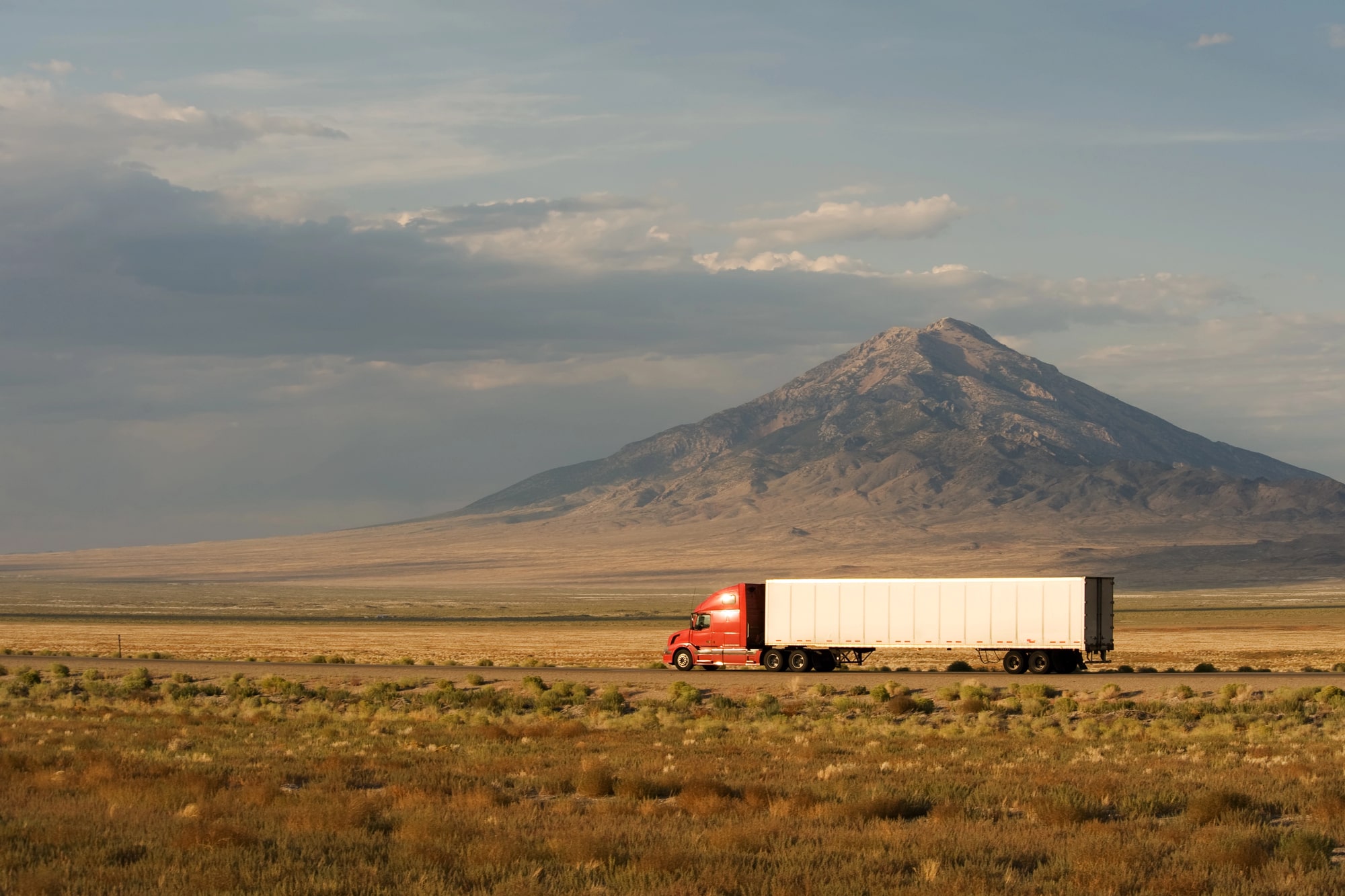
Large trucks have areas around them where the driver has little or no view of other vehicles. Etemi Law’s truck accident page lists blind-spot and wide-turn collisions among the crash types the firm handles. Understanding how those crashes happen helps an injured person see which evidence matters.
Federal Rules Require Mirrors
Under 49 CFR 393.80, every bus, truck, and truck tractor must have two rear-vision mirrors, one on each side, mounted on the outside of the vehicle and positioned to reflect a view of the highway to the rear along both sides. The rule addresses what the mirrors must show to the rear. It does not describe the other areas around a truck where a driver may lack a clear view. A post-crash inspection can show whether the mirrors were present, mounted correctly, and adjusted. A missing or damaged mirror is a maintenance question for the carrier, which is one reason maintenance records belong on the preservation list.
A Waterbury truck accident lawyer investigates what the driver could see before the crash and which parties, from the driver to the carrier, share responsibility.
Blind Spots Put Smaller Vehicles at Risk
The comparison of trucks versus motorcycles describes large blind spots, which it refers to as no-zones, and explains why smaller road users are the most vulnerable in a collision with a large truck.
Riders hurt in these crashes may look to a Waterbury motorcycle accident practice for a review of what happened, including what the driver could see from the cab and how far the rider was from the truck at impact.
A pedestrian struck at a corner as a truck turns raises a similar question: whether the driver could see the person crossing, and what the mirrors and any camera views showed. Those cases fall under Waterbury pedestrian accident claims.
Wide Turns Cross Space Others Are Using
A wide-turn crash happens when a large vehicle’s turning path takes it across space that other road users are using. The truck accident page describes Waterbury as an intersection of two major freight routes, with I-84 and Route 8 among the corridors where large trucks share the road with local traffic. Skid marks, vehicle damage, and the final resting positions of the vehicles help show how the truck was turning and where the other vehicle was positioned. Intersection camera footage, where it exists, adds to that picture.
A Waterbury truck accident lawyer reviews the physical evidence and the driver’s account to see how the turn unfolded, whether the driver signaled, and where the other vehicle was when the truck began to move.
Evidence Shows What the Driver Did
The firm’s page says it works to preserve evidence from the truck and its operator. That evidence can include:
- The truck’s data recorder.
- The driver’s logs.
- The carrier’s maintenance records.
- Forward-facing camera footage, where the truck carries a camera.
Recorded steering and braking inputs, discussed in the firm’s piece on black box data, can show what a driver did before impact.
Fault Can Be Shared
Fault in a truck collision is often disputed, and the share assigned to each driver can affect recovery. A claim built on blind-spot or wide-turn facts therefore needs a clear account of where each vehicle was and what each driver could see. A lawyer can compare that account with the recorder data, the logs, and the maintenance records. Statements from the driver, the injured person, and any witnesses help fix those positions in the record. The comparison is easier to make when the evidence is preserved early, before the truck is repaired or returned to service.
When a crash is fatal, surviving family members may bring a claim, and the firm’s Waterbury wrongful death page describes the damages that may be recoverable.
The Attorneys Behind the Firm
Etemi Law Injury Lawyers was founded by Ron Etemi, a trial lawyer who has practiced since 2010 and focuses exclusively on personal injury. Before founding the firm, he worked in insurance defense. Lou Etemi, a partner, has practiced since 2016 and represents people injured by negligent parties.
Blind-spot and wide-turn crashes depend on evidence that a carrier controls, so a Waterbury driver, rider, or pedestrian hurt in a truck crash can reach out to the firm and ask that the data recorder, logs, and maintenance records be preserved.