
How Much Does a Car Accident Lawyer Cost?
Most car accident lawyers in Connecticut cost nothing upfront. The standard fee arrangement in personal injury law is called a contingency fee, which means the attorney only gets paid if you get paid. There is no retainer, no hourly billing, and no invoice waiting in your mailbox while your case is open.
That one fact changes the entire calculation around hiring a lawyer. But it raises other questions — what percentage comes out of a settlement, whether there are additional expenses, and how the fee arrangement actually works in practice. This page covers all of it.
Do I Have to Pay a Car Accident Lawyer Upfront?
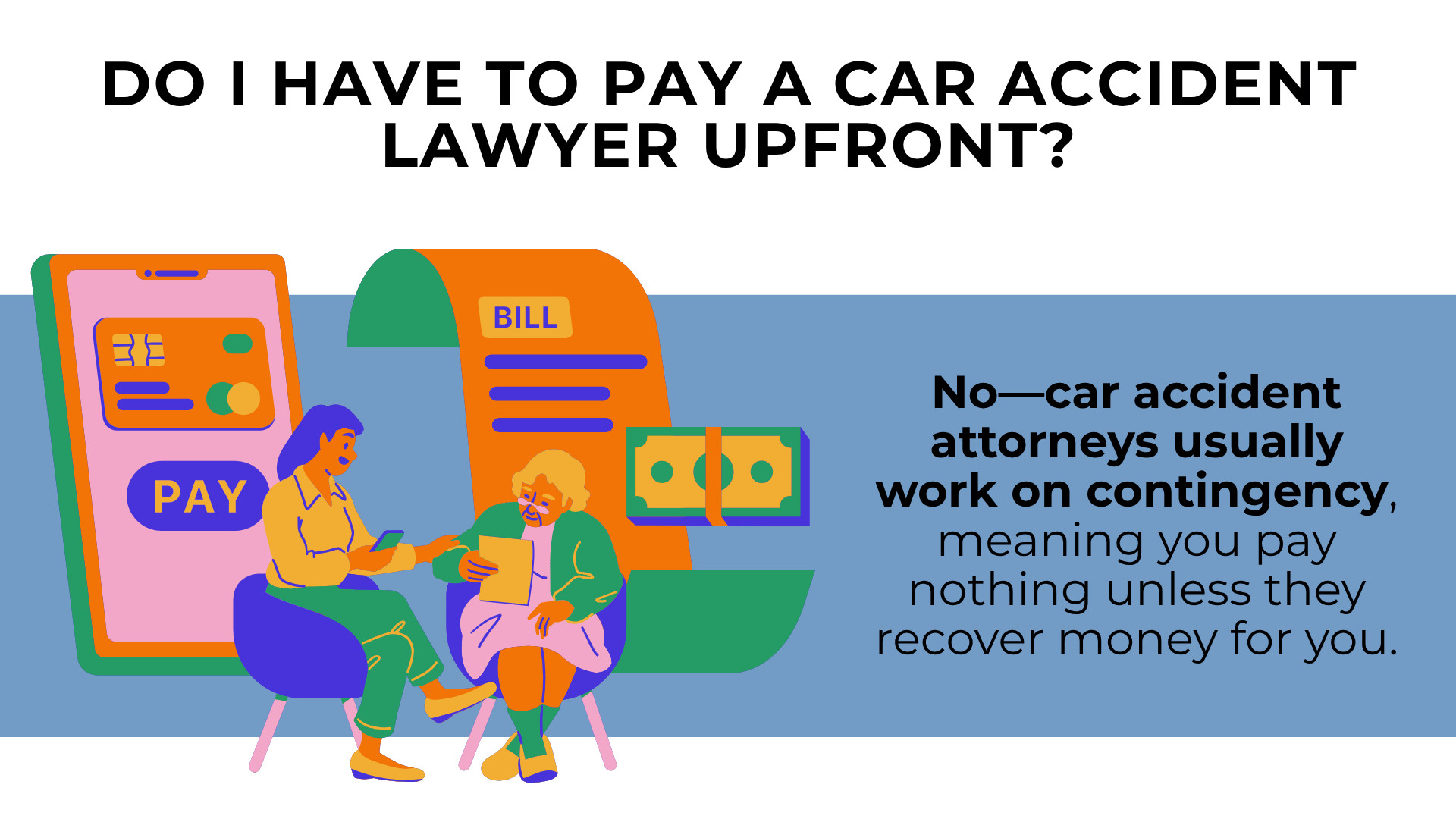
No. Car accident attorneys, including the team at Etemi Law in Waterbury, Connecticut, typically handle car accident cases on a contingency fee basis. That means the firm takes on the financial risk of pursuing the case. If there is no recovery — no settlement, no verdict — there is no attorney fee.
This is the opposite of how most professionals bill. A doctor, a mechanic, or an accountant charges for their time regardless of the outcome. A contingency fee lawyer does not. The entire fee is tied to results.
What Is a Contingency Fee, and How Does It Work?
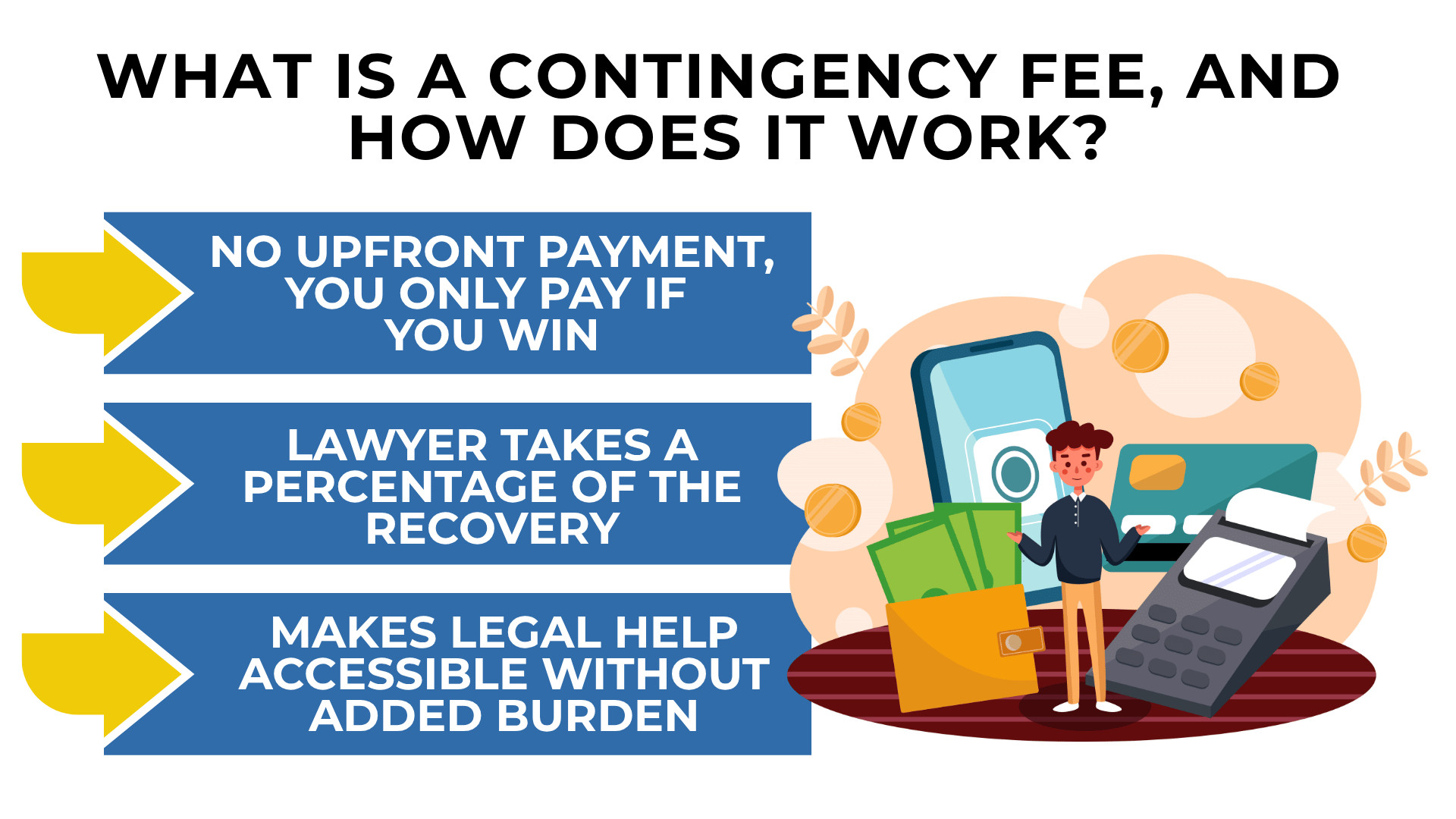
A contingency fee is a percentage of the money recovered in your case. Rather than billing by the hour, the attorney agrees to represent you in exchange for a share of the settlement or court award at the end.
Here is what that looks like in practice. You hire a lawyer. The firm investigates your accident, gathers medical records, negotiates with the insurance company, and — if necessary — takes the case to trial. Throughout that process, you are not writing checks to your attorney. When the case resolves and money comes in, the agreed-upon percentage is deducted from that recovery. What remains goes to you, after any case-related expenses are accounted for.
This arrangement exists because most people dealing with a car accident are already facing medical bills, lost income, and vehicle damage. Adding legal fees on top of that would put professional representation out of reach for the people who need it most.
What Percentage Do Car Accident Lawyers Take?
Contingency fees in personal injury cases typically fall in the range of 33% to 40% of the total recovery. The exact percentage depends on several factors, including the complexity of the case and whether it settles during negotiations or goes to trial. Cases that require litigation and courtroom work generally carry a higher percentage than those that resolve earlier, because the attorney is investing much more time, resources, and risk.
The specific fee arrangement is spelled out in a written agreement before representation begins. There should be no confusion about what the percentage is, when it applies, and how it is calculated. If anything in a fee agreement is unclear, that is worth asking about before signing.

Are There Other Costs Besides the Attorney’s Fee?
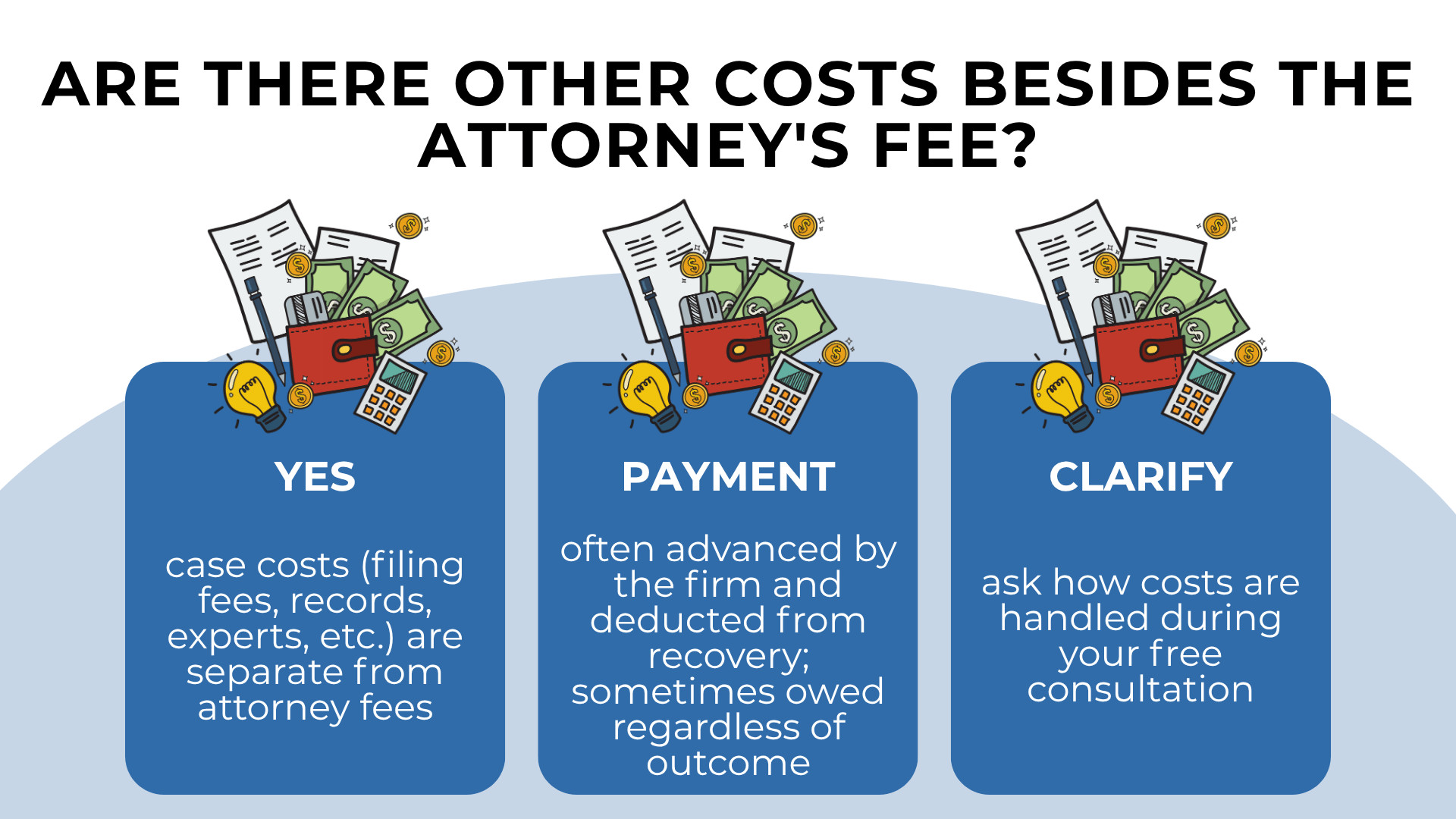
Yes, and this is worth understanding clearly. In addition to the contingency fee, there are typically case-related expenses — sometimes called “costs” or “litigation costs” — that are separate from the attorney’s percentage. These can include filing fees, costs to obtain medical records, fees for expert witnesses or accident reconstruction, deposition costs, and postage or copying charges.
In many contingency arrangements, the law firm advances these costs during the case and deducts them from the recovery at the end, alongside the attorney fee. In other arrangements, you may be responsible for costs regardless of outcome. This varies by firm, and it is one of the most important things to clarify during an initial consultation.
At Etemi Law, a consultation costs nothing. That first conversation is the right time to ask exactly how costs are handled so there are no surprises later.
How Do I Know If the Fee Arrangement Is Right for My Case?
The contingency arrangement removes the financial barrier to hiring a lawyer, but not every case or every fee agreement is the same. The questions worth asking during a free consultation are specific. What is the exact contingency percentage? Does it change if the case goes to trial? Who advances litigation costs, and what happens to those costs if there is no recovery?
At Etemi Law, the attorneys who walk through these questions bring substantial courtroom experience to the conversation. Ron Etemi has tried over 100 cases to verdict across more than 15 years of practice. Peter Brown has been trying cases since 1990, with 175 jury verdicts. Lou Etemi and Semir Dervisi round out a team built around aggressive negotiation and strategic case development. That trial background matters because a firm’s willingness and ability to take cases to court is part of what determines whether a contingency arrangement works in your favor — a lawyer who settles every case early and a lawyer who is prepared to litigate operate under very different conditions, even at the same percentage.
If you were in a car accident in Connecticut and want to understand what hiring a lawyer would actually cost in your situation, a conversation costs nothing and commits you to nothing. You can reach Etemi Law at etemilaw.com.
